
|
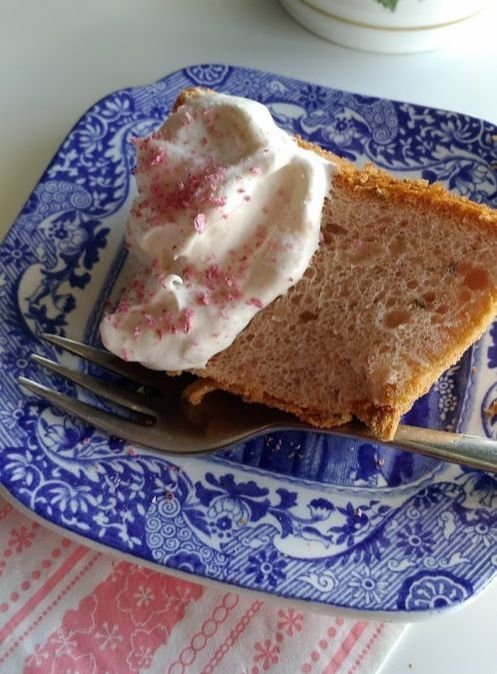
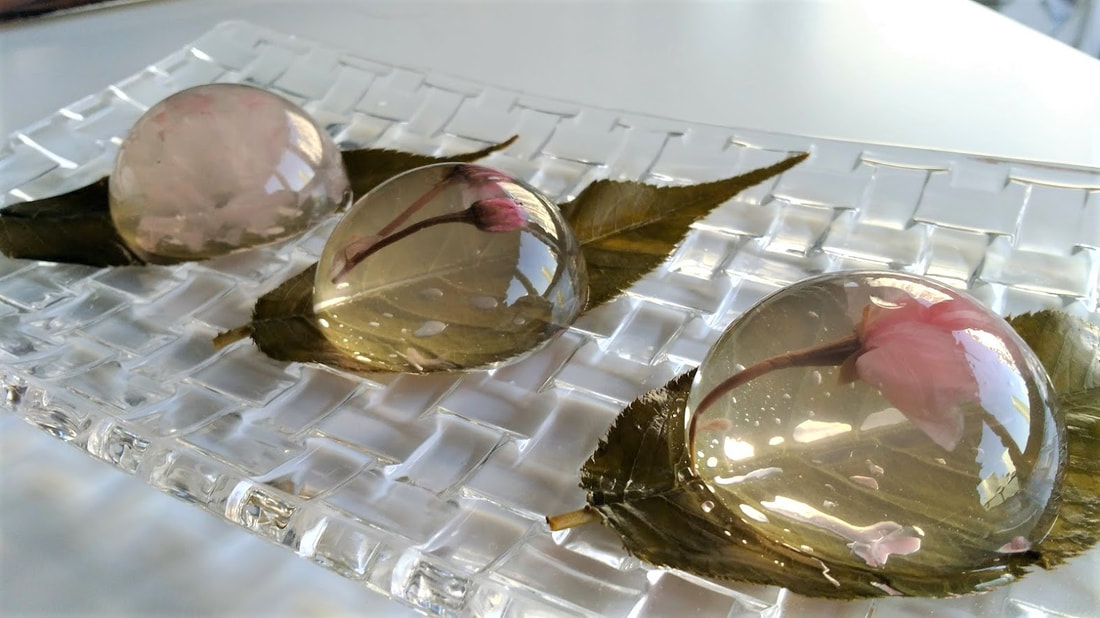
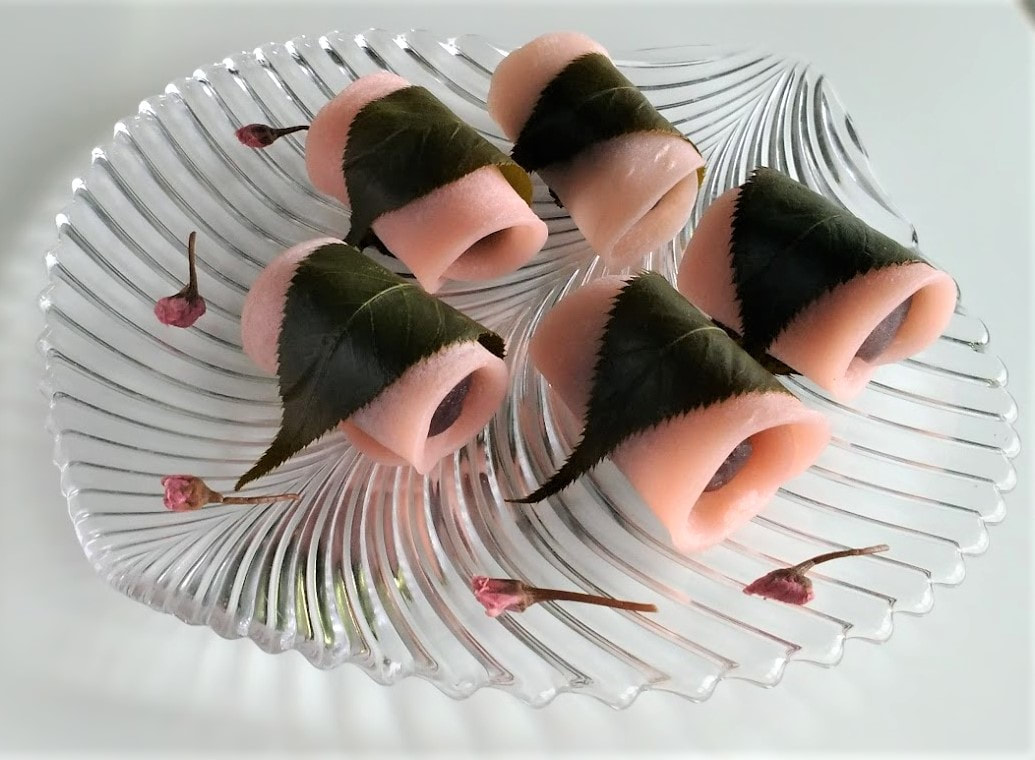
Yes, it's almost that time of the year when the Japanese go crazy over sakura, the cherry blossom. If you walk into a supermarket or convenience store, you'll notice sakura latte, sakura labelled beer, sakura cookie, sakura wine, sakura dessert, sakura ice cream and so on. I'm no exception and I can't resist making sakura sweets this time of the year. I just love the sakura scent which actually comes from the leaves and not the blossom. You can make sakura sweets using the sakura blossoms that are preserved in salt, or use the freeze dried flakes.
0 Comments
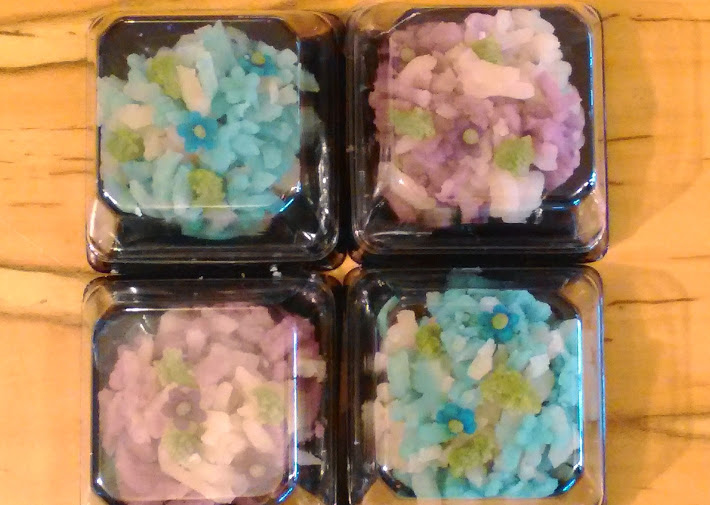
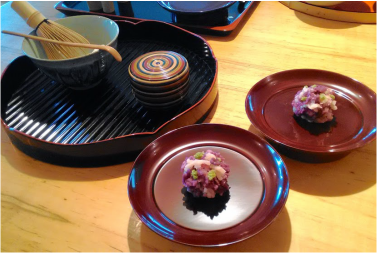
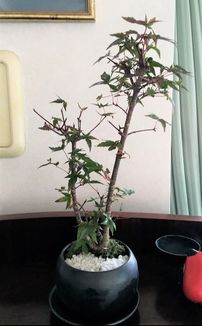 My Bonsai! My Bonsai! I've always wanted a momiji (Japanese maple) on my balcony. It's very useful tree as you can enjoy the changing colors of the leaves year round and also use it as a decoration on a traditional Japanese plate, no matter what the color of the leaves are. The leaves on the place is called Ashirai (あしらい)in Japanese. I've been told that Japanese are the only people who put something that is not edible on the plate. But this ashirai is essential to completing a small universe before your eyes. I've found a small bonsai size momiji online yesterday and decided to give it a try. Bonsai is a Japanese art form of growing trees in a pot. I hope the leaves will stay on until it turns red, and hopefully I will keep it alive till next year when it turns green. 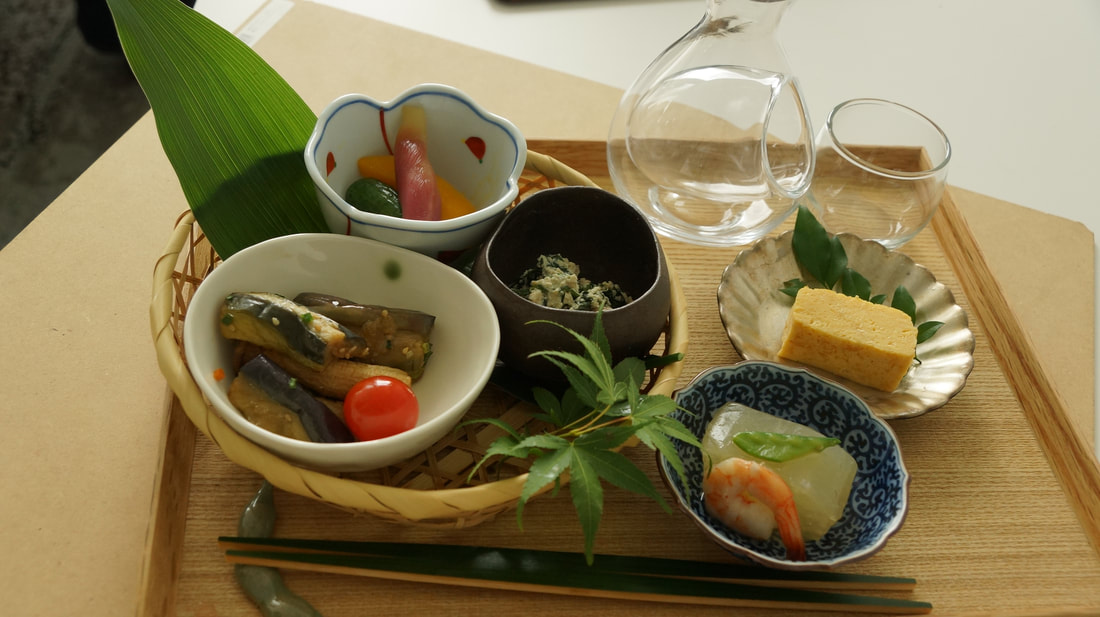 Momiji on a plate Couple weeks ago, I found an interesting course conducted by the Japan Foodstyling Culture Association run by Junko Sensei, who has vast knowledge and experience about the Japanese food culture and tradition. She feels responsible to pass on her knowledge to the future so it will not be forgotten. It is true that nowadays, most of the Japanese people are not aware of some of the tradition and history behind our food culture. So I decided to join one of her Entry Classes. The seminar focused on the history of the tableware and its origins dating back to the Nara Period (8th Century) and how it evolved to the present form. It was interesting to experience the Ozen (individual tables) which were used instead of the conventional tables until recently (20th century). She holds classes for foreigners to teach Food Styling and Food culture if anyone is eager to learn (website in Japanese only at the moment) 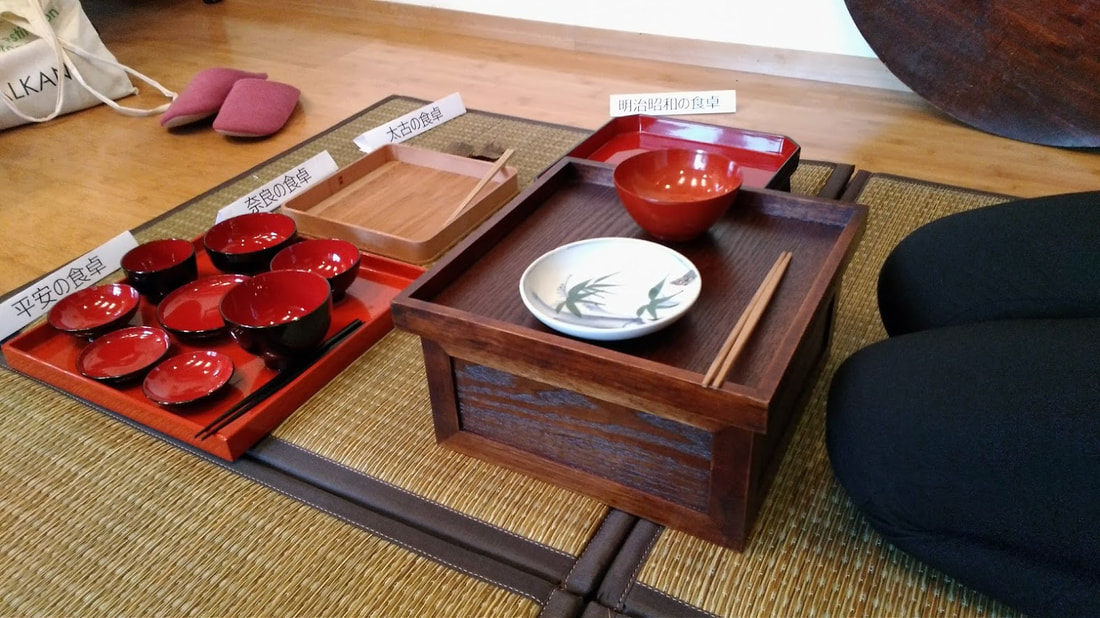 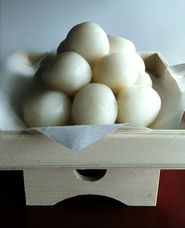 Today is Juyoga (15th night) or Tsukimi (Moon Viewing) to honor the autumn moon. The celebration of the full moon typically takes place on the 15th day of the eighth month of the traditional Japanese calendar. On this day, we decorate susuki (Japanese Pampas Grass) and eat Tsukimi Dango (Moon viewing dumplings) to celebrate this festival. As our country has historically been a agricultural society, this festival was originally celebrated to thank the god by presenting the first harvest of the season while admiring the full moon. You can a easy recipe of my moon viewing dumplings here . For more info on the moon viewing day please visit the Wikipedia 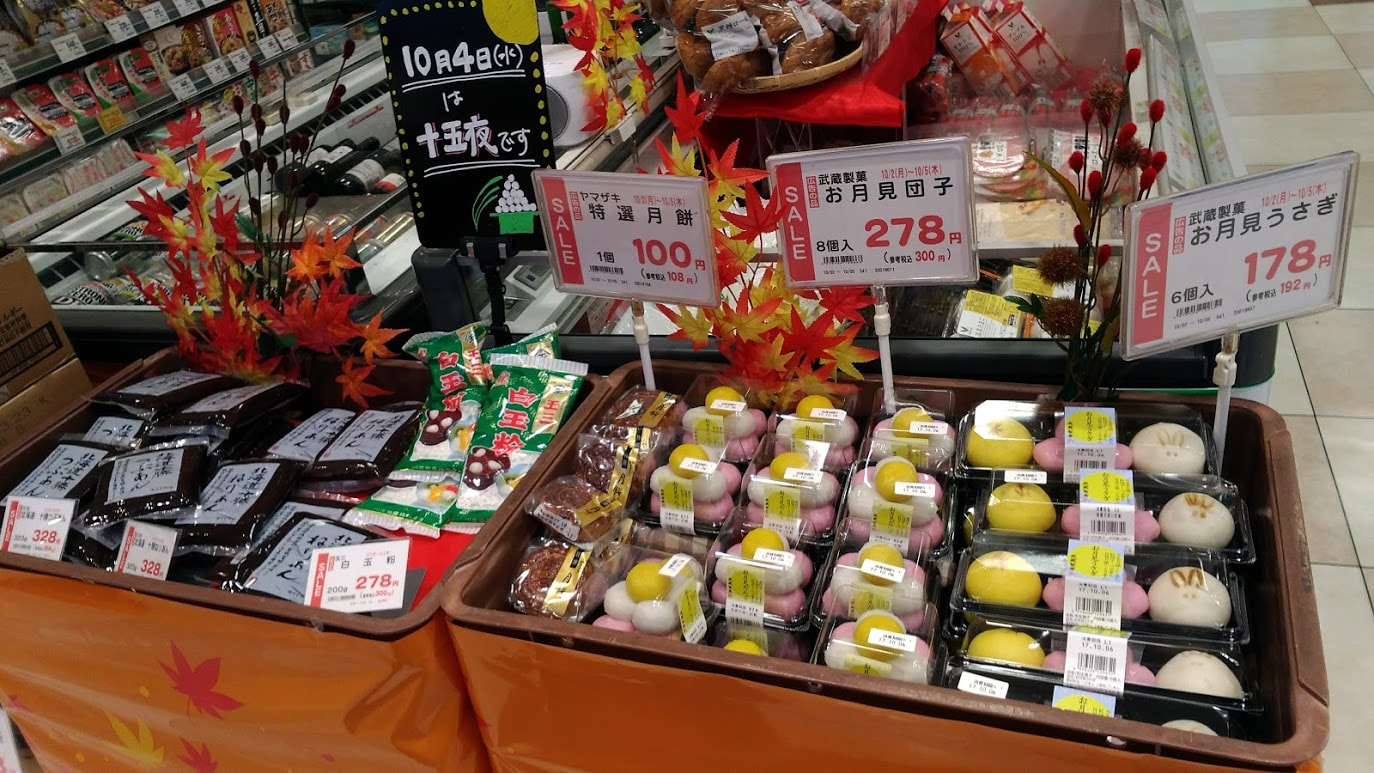 Supermarkets selling tsukimi dango and rice powder to make the dango your selves Today was a Chirashizushi class. Chirashizushi is a type of sushi that is served on a plate with toppings scattered on the sushi rice. Chirashi or Chirasu in Japanese means to "scatter". This is a typical Girls day dish, which falls on the 3rd of March every year to celebrate the well being of the girl(s) in the family. Although the Chirashizushi is eaten all year round, the girls day Chirashizushi is topped with ingredients that symbolizes good fortune. For instance, the shrimp symbolizes, longevity as the bent shape resembles an elderly person. The lotus root symbolizes good future as you can look through the holes, the kinshitamago (shredded eggs) symbolizes gold, the beans (in most cases it will be snow peas) symbolizes hard work. And especially for girls day we decorate the sushi with sakura dembu, a pink colored dried and shredded fish which symbolizes a cherry blossom. We also made clam soup which symbolizes happy marriage as there is only one match for a set of clam shells. The class finished off with a sakura mochi, which is also a girls day dish. 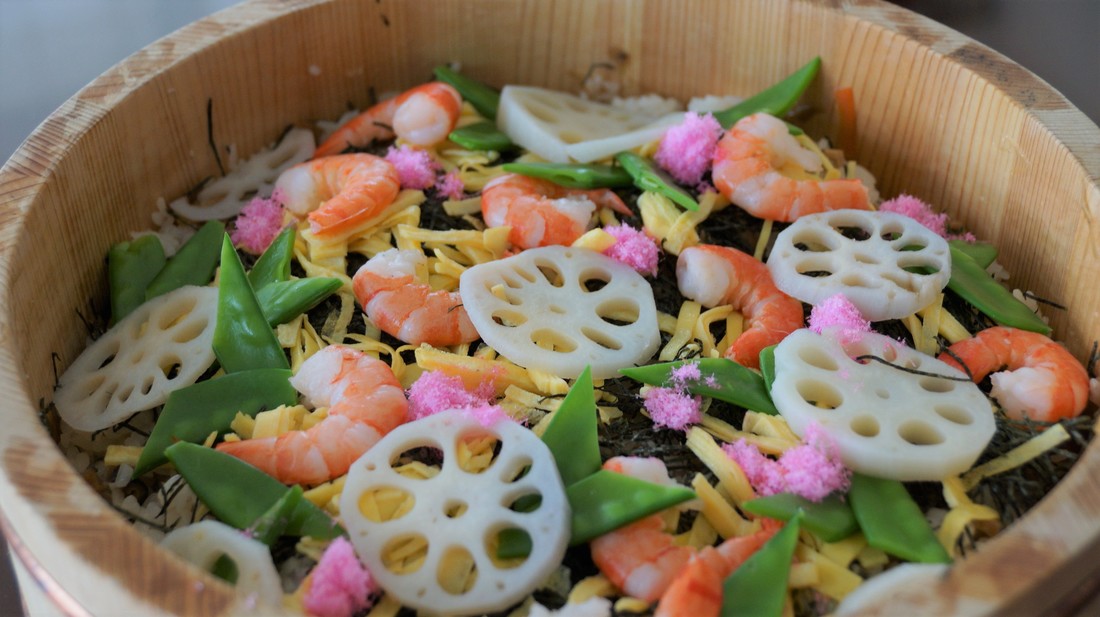 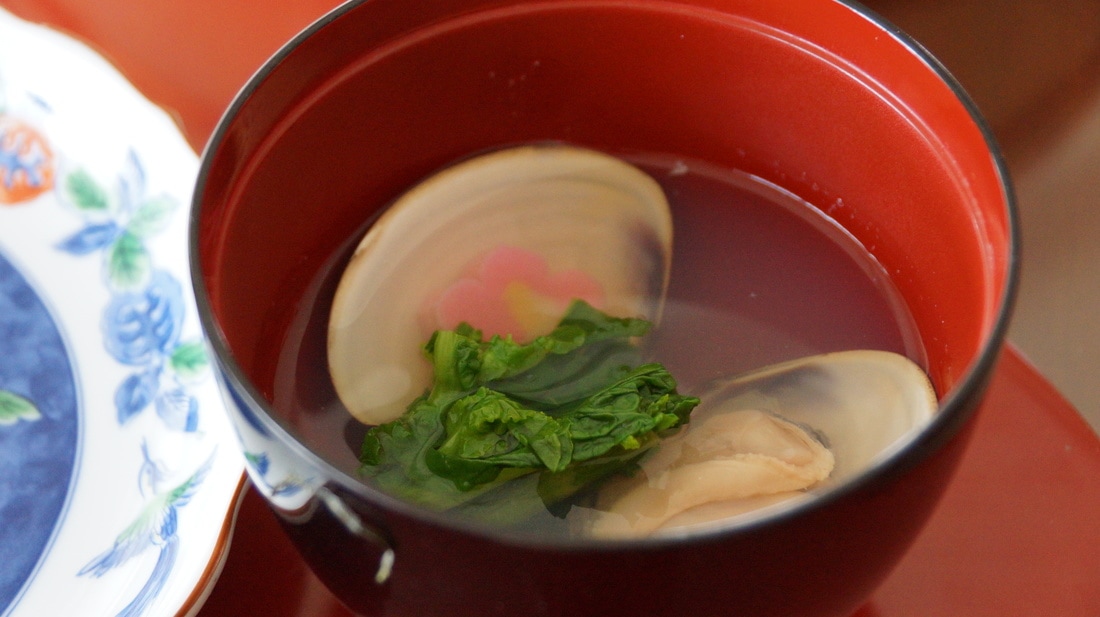 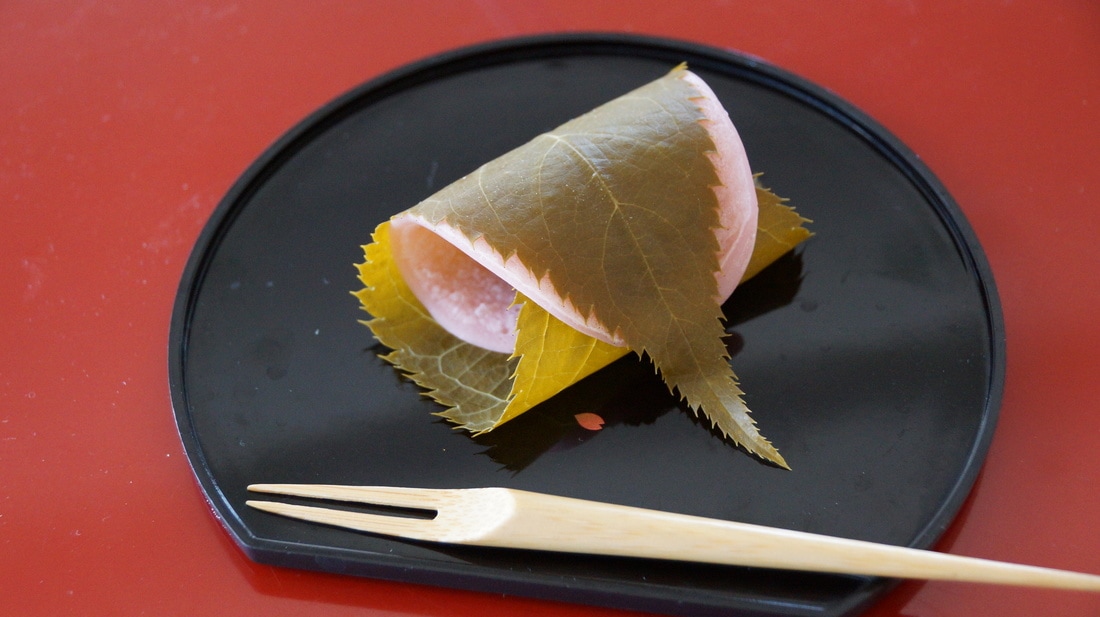 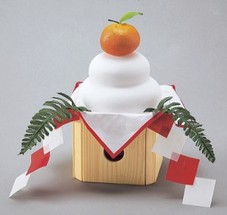 Kagami-mochi Kagami-mochi Kagami Biraki (鏡開き) is a Japanese traditional ceremony which literally translates to "Opening the Mirror" (from an abstinence) or, also, "Breaking of the Mochi." It traditionally falls on January 11 (odd numbers are associated with being good luck in Japan) It refers to the opening of a Kagami mochi, or to the opening of a cask of Sake at a party or ceremony. (from wikipedia) So, today from the mochi that was opened, I made strawberry daifuku. It's very simple. Recipe for Strawberry Daifuku Using Mochi 1. Wrap the strawberry in about a golf ball size anko (red bean paste) - I used matcha bean paste and white bean paste this time. Set aside. 2. Take the mochi, and place it in a microwavable bowl with enough water to cover it and microwave for 2~4 minutes depending on the size of the mochi. Turn it over half way and keep a close eye on it as it will become too soft and melt away in the water. 3. Turn the mochi over in a plate covered with potato starch. Divide the mochi if its too big. Wrap one strawberyy in the mochi. Serve immediately as it will become hard and dry with time. 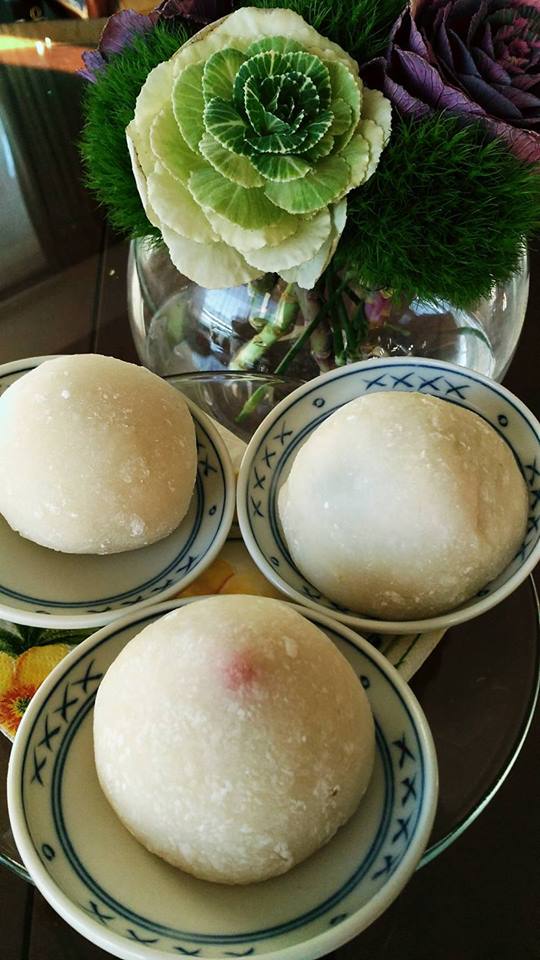 Happy New Year to you all. Last year has been an amazing year with increasing visitors to my cooking class. I had never thought of welcoming so many people in my house! It has been a great experience and I do hope I will be contributing to increasing more Japanese Cooking Fans this year too. We visited Taiwan for Christmas (and I hope to write about this trip in my blog someday soon) so I hadn't been able to plan in details about the Osechi (New Year's Feast) but managed to prepare a couple of dishes on my own. Each dish symbolizes good fortune and Haruka Masumizu has written a great article on Japan Today explaing it, so if you are interested, please take a look. - Kohaku Namasu (Red & White salad) - Date maki (Sweet Egg Roll) - Kuri Kinton (Mashed Sweet Potato with Chestnuts) - Tazukuri (Candied Baby sardines) - Stewed Kinkan (kumquat) - Tamagoyaki - Roast Beef - Stewed Root Vegetables - Grilled Shrimp The store-bought dishes are Kuromame (sweet black beans), Kamaboko (fish cake), and Kobumaki (Rolled kelp stuffed with salmon) The reason much of the dishes are so sweet is that they are to last for a few days so that we had something to eat when the stores were closed during New Years. Actually I didn't put so much sugar in my osechi, The shrimp has been pan fried in garlic oil instead of boiling it in sugary water and I put cream in the mashed sweet potato instead of the liquid candy. The root vegetables that are tratditionaly stewed in fish broth and soy sauce have been stewed in garlic and tomato for my version. Roast beef is not a typical Osechi dish but it's something my children will prefer. I think the only typical dish missing in my osechi are the Kazunoko (Herring Eggs), which my parent's usually send over. This year they didn't as they thought we would be in Taiwan. The red and white salad has less sugar in the dressing which is nice to eat with a drizzle of olive oil. My regular student Anna Jassem has written an article on Japan Today which includes my recipe for this salad. 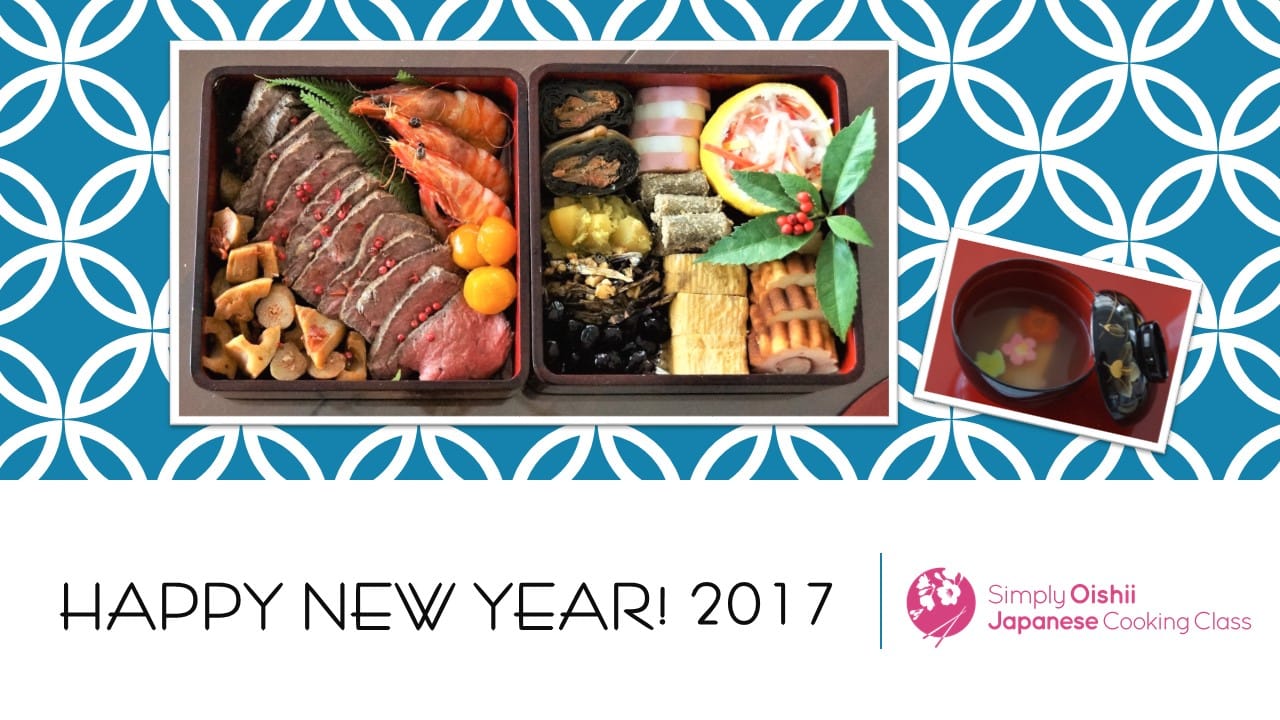 I got a call from one of my students to make a Hinamatsuri Chirashizushi (scattered sushi for Girls Day celebration) for her daughter's birthday party. Usually, making Chirashizushi is easy if you can use the ready-made sushi mixes that contain cooked root vegetables. However, my student is allergic to gluten, so the sushi filling had to be cooked from scratch, which is not difficult as long as you have tamari soy sauce which is a soy sauce that is made only from salt and soy beans. Also, the pretty pink sakura denbu, that gives a nice touch to the girls day feast often contains soy sauce (which contains gluten). In case you cannot find gluten free denbu, it can easily be made by boiling a piece of cod then mixing it with sugar and food coloring in a frying pan until it becomes flaky and the moisture has dried out. And last, most of the salmon roe you see on the market is marinated in soy sauce (醤油漬け)so, you need to get one that is salted (塩漬け) in order to make it gluten-free. The Chirashizush is often eaten with a bowl of clam soup. This is because the size and shape of the pair of shells of one Hamaguri Clam will never match with the other clams which is the symbol of a lasting marriage. It is a tradition to put two flesh in on clam in the clear soup for the Hinamatsuri Feast. With two boys, I though I would never have the opportunity to make a Hinamatsuri Chirashizushi, so it was great fun. Hope they like it! 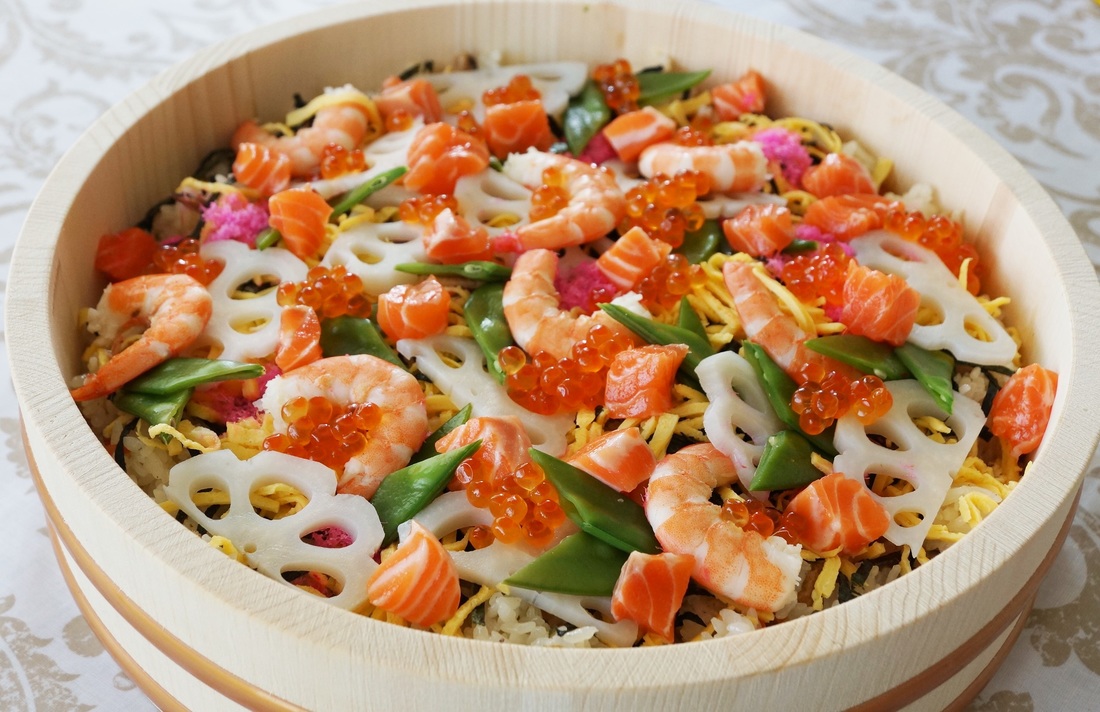 To brush up my wagashi skills, I attended a nirikiri class to learn 3 types of nerikiri. Nerikiri is a dough made with white bean paste and rice powder. With the dough we wrap the bean paste and shape them into various figures that represent the season. In this class we made a chrysanthemum flower and a mountain resembling the changing leaf color with a small dragonfly. The brown color nirikiri is made with cocoa powder symbolizing a stone pavement with a falling leaf. Wagashi of the season will be served as dessert for my cooking class. Also, if you are interested to learn wagashi, look out for my Wagashi taster session in October. 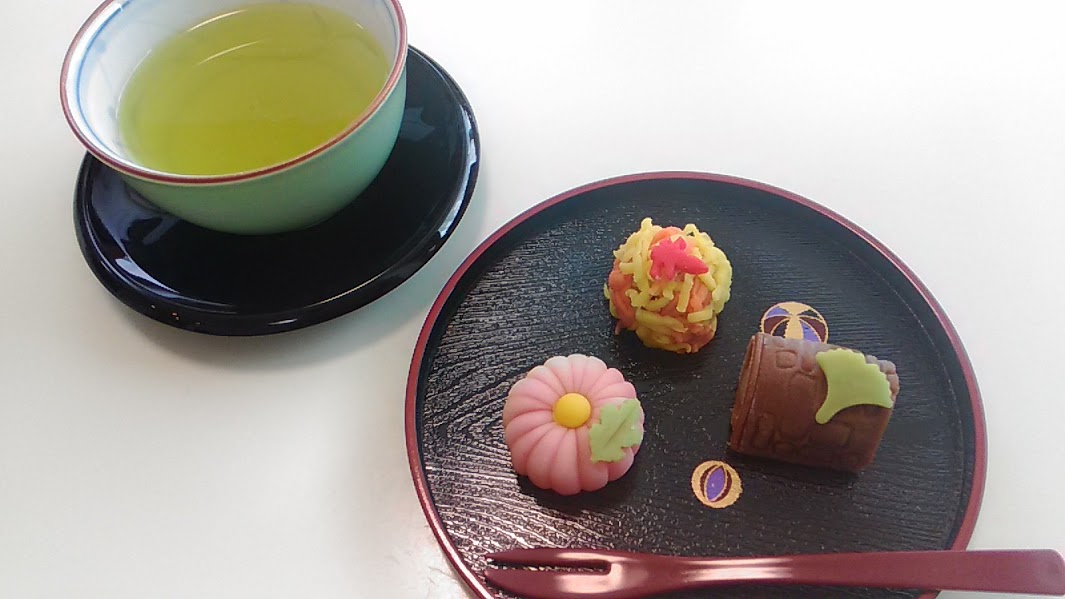 These are mini wagashi made by the sensei for tasting at the end of the session. 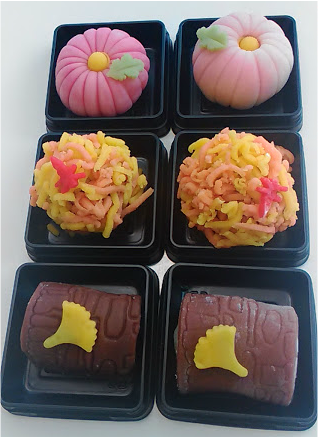 These are made by me. I think I need more practice, I had always admired Traditional Japanese sweets served at tea ceremonies. They are a work of art, each piece, elegantly representing the flowers or icons of each season. I would have never imagined that I could make one on my own until I came across a Wagashi Lesson organized by one of my acquaintances. In this lesson, I learned how to make a hydrangea flower shaped wagashi made with anko (red bean paste and white bean paste). It was sort of like playing with play dough and quite fun. This type of wagashi is called "kinton" , and is made by pressing a colored white bean paste through a coarse sieve to shred them, then placing the pieces on a ball of anko. I plan to attend a few more courses and hopefully be able to teach whoever is interested to learn.
|

AuthorI'm Miyuki and I teach Japanese Home cooking at my home in Tokyo. Archives
February 2021
Categories
All
|
 RSS Feed
service |
Information |
© COPYRIGHT 2015. ALL RIGHTS RESERVED.
|