
|
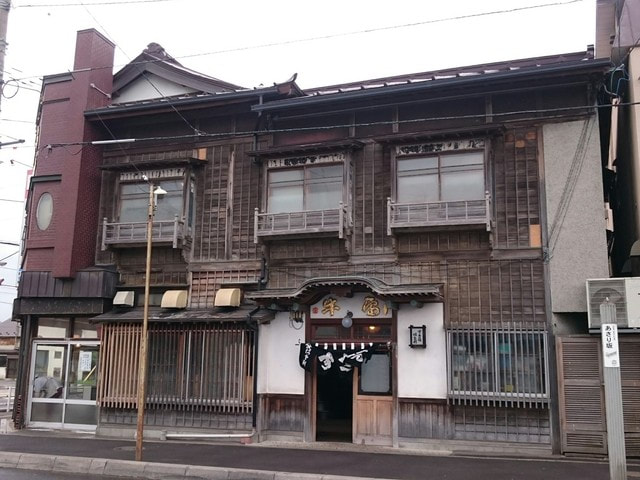
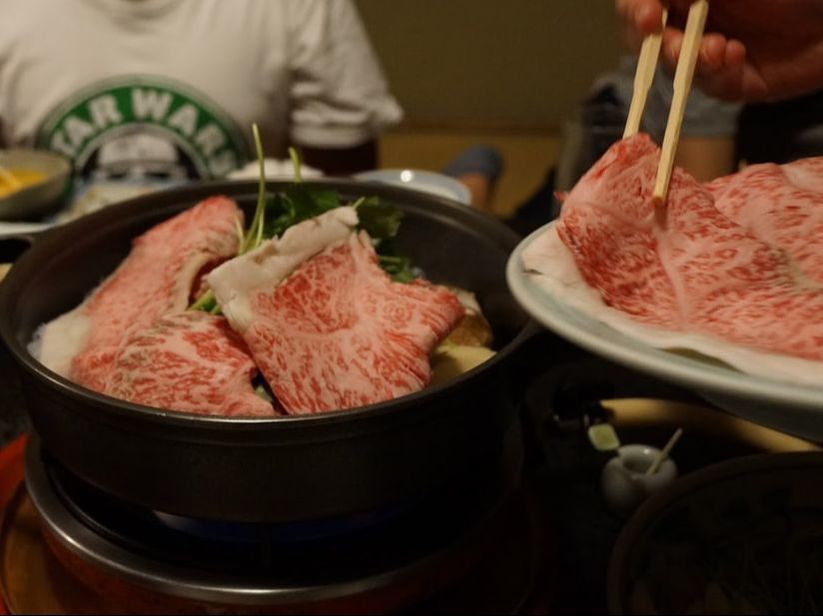
During our stay we had great food thanks to my sister's recommendation which was almost identical to the recommendation by my hairdresser who is from Hakodate. So if you cover what we have eaten, you have pretty much covered the best places to eat in Hakodate! 1. Uni Murakami (Sea Urchin Restaurant) If you love sea urchins, this is definitely the place to go. They have fresh salt water sea urchins that you usually cannot get elsewhere. (Most sea urchins in the market are treated with alum to keep its shape). They have other menus too if you are not fond of sea urchins. We tasted two kinds of sea urchins as you see in this photo. For more details : Hokkaido Travel Net 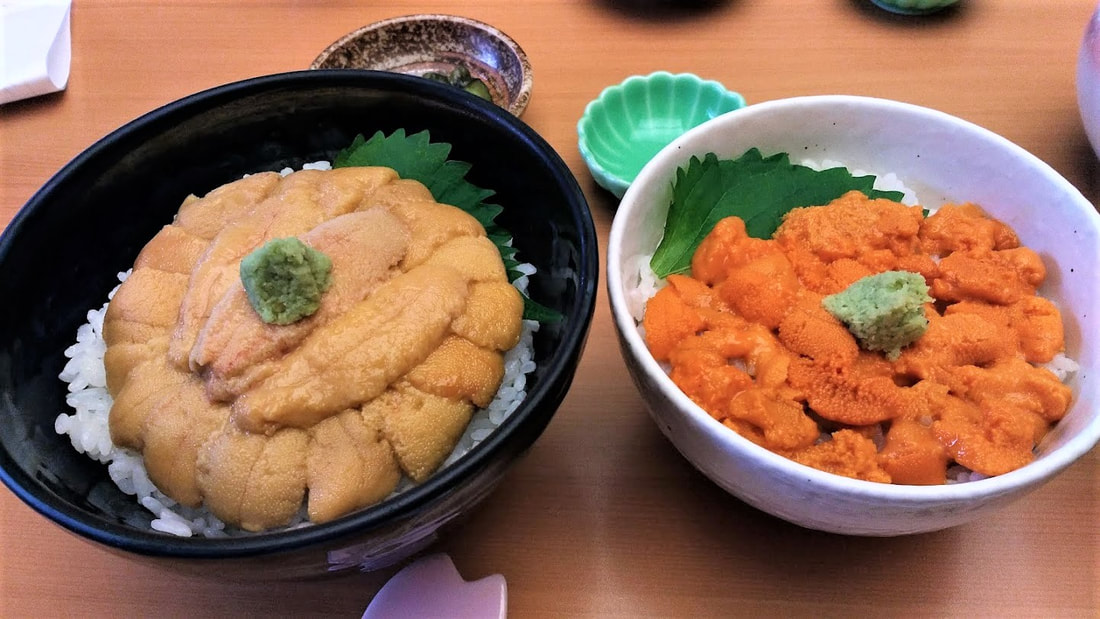 2. Asari Honten (Sukiyaki Restaurant) This most famous sukiyaki restaurant in Hakodate run by a butcher. That's why you can have the best wagyu at a reasonable price, and has been the local's favorite since 100 years ago. The building is very old and traditional style. It seems like they have no intention to profit from serving alcohol, as we asked for an all you can drink option and they said that we can bring our own drinks! For More Info: Travel Hakodate
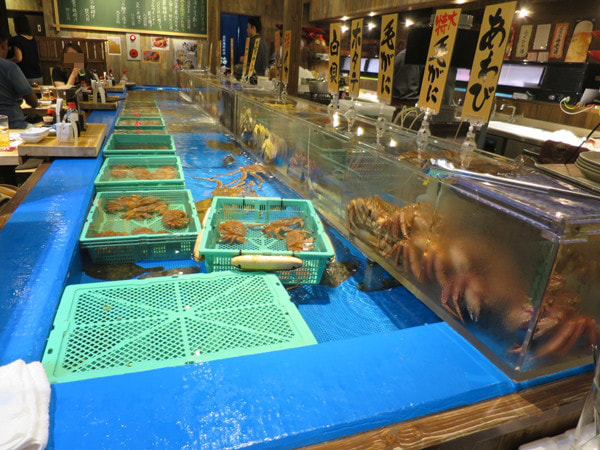
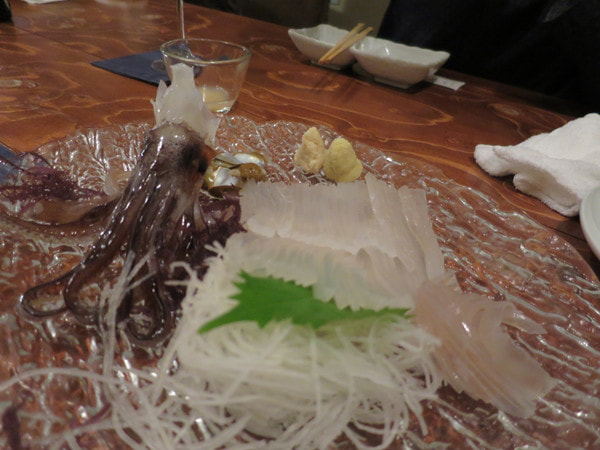
3. Kaiju (Seafood) This seafood restaurant was just around the corner from our Hotel. You can get very very fresh seafood, right out of the tank. The squid's legs were still moving on the plate! For more info : Trip Advisor
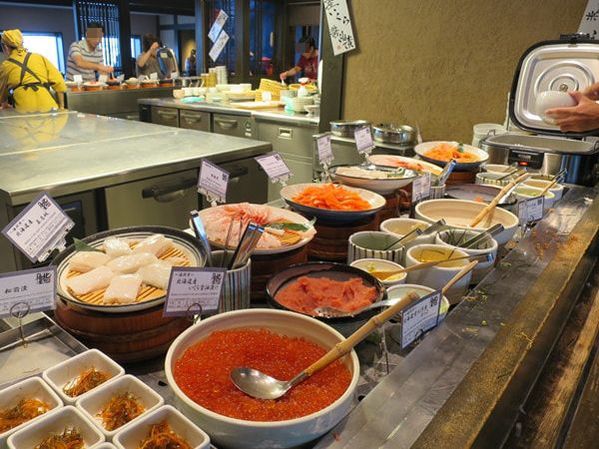
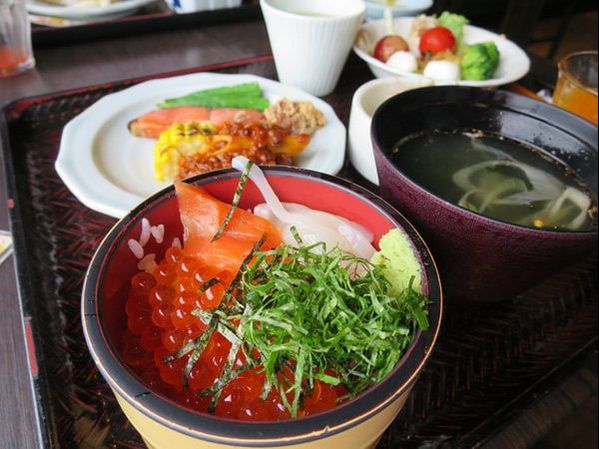
4. Restaurant Sekkatei Gotoken Honten (Curry & Western Food) This is a long-established restaurant which opened in 1879. The building itself is a national cultural property. They don't take booking for lunch, so expect a queue. But you won't be bored as they have a small museum by the waiting room which tells about the history of the hotel. It's famous for their curry dishes but they serve other western dishes as well. For More Info : Travel Hakodate 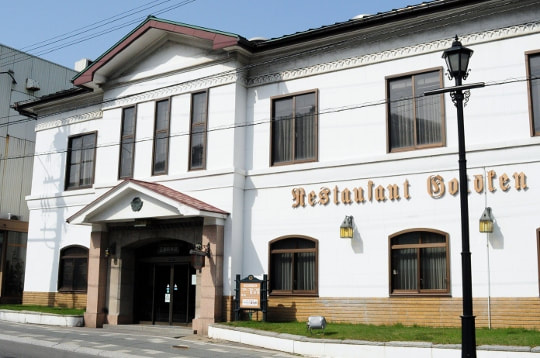 5. Lucky Pierrot (Hamburgers) If you ask a local, this would probably be their most favorite restaurant. (The cab driver said so) This hamburger chain only exists in Hakodate, so I new nothing of it until my hairdresser told me about it. Voted the best local hamburger in Japan, despite its unique decor (every shop has its own theme). they serve very tasty burgers! We went to the one by our hotel, The Marina Bay Suehiro Branch which is on the waterfront and has a souvenir shop in the restaurant. For more info; Travel Japan 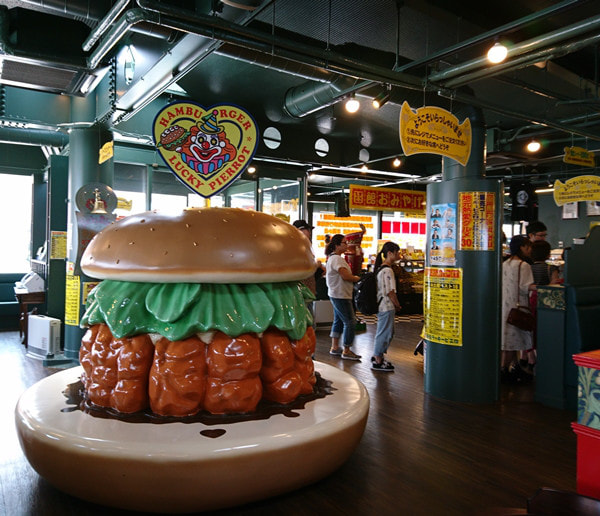 6. Breakfast Buffet at the La Vista Bay Hakodate Ever since we planned our trip to Hakodate, we have been trying to get a booking for this hotel, which was not easy as it is probably the most popular place to stay. It is conveniently located on the Waterfront next to the Kanamori Red Brick warehouse. But what makes it special is their breakfast buffet which has been voted as the nation's best hotel breakfast. Just be sure to go there with plenty of time as it may get crowded during early hours and you might wait half hour to be seated. (We almost missed our morning sightseeing tour) For More Details: La Vista Bay Hakodate
0 Comments
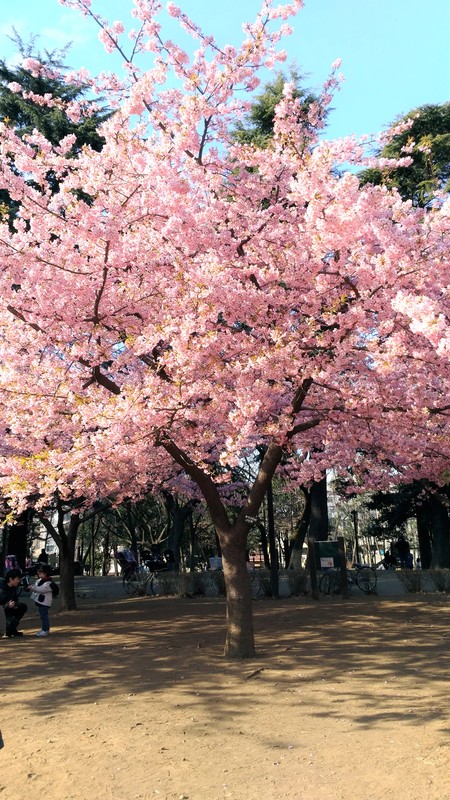
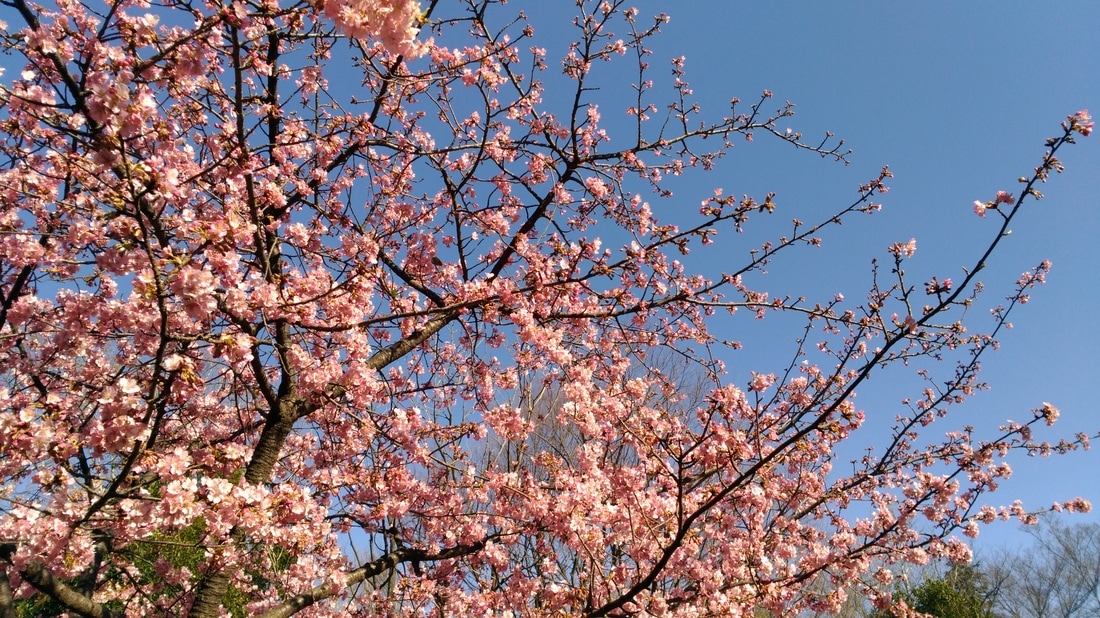
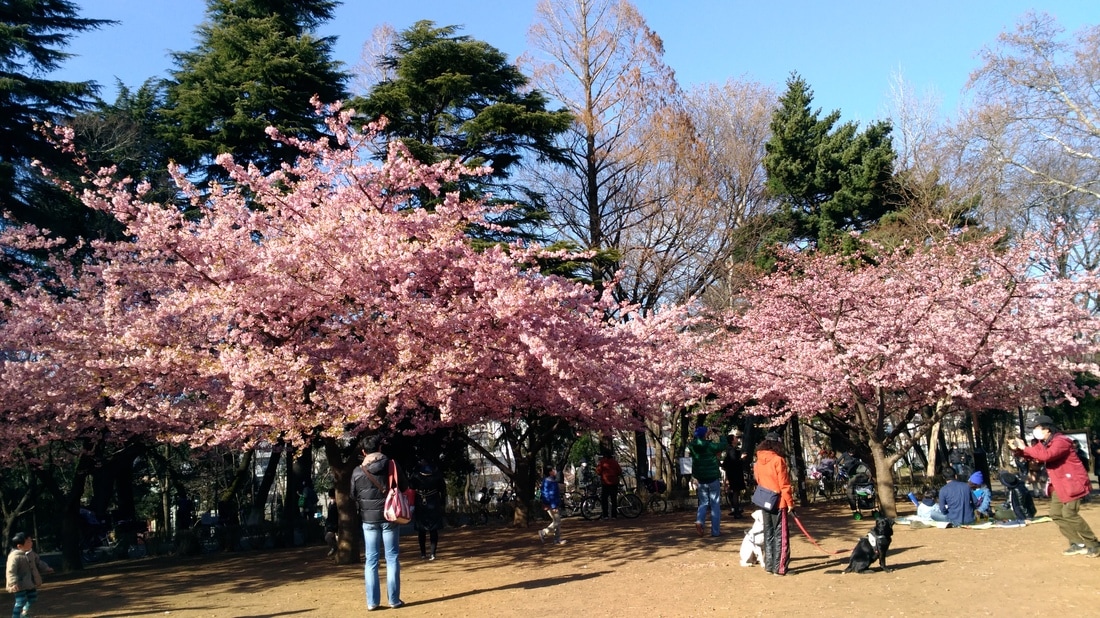
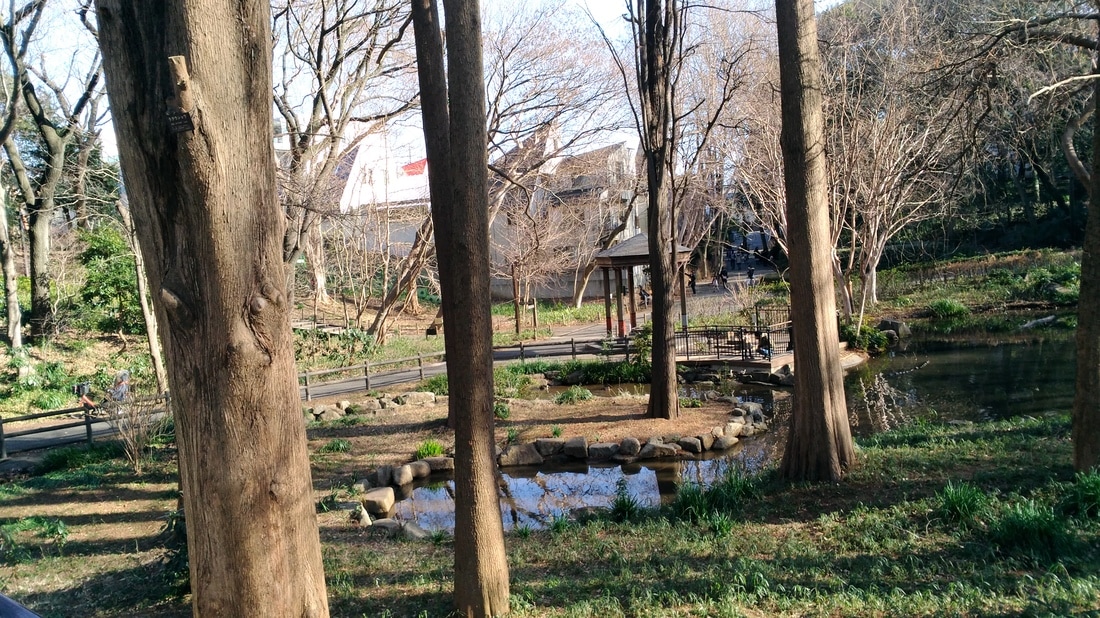
Our family holiday this year took place in Hakodate, a city located in the south end of Hokkaido Island. This trip was sponsored by my parents who live in Tomakomai city which is located on the south coast about 30 minutes from Sapporo Chitose Airport. My two sisters and their hubbies were invited on this trip so we had a big family reunion. We took the Tohoku Shinkansen (bullet train) from Tokyo stopping on the way at Hiraizumi, Iwate to visit the world heritage temples and stayed one night at Aomori. My sister who visited Hakodate last year knew very well on where to dine, together with the information I collected from my hairdresser, who is from Hakodate, we had the best Hakodate dining experience, which I will write about it in my blog later on. If you are going there by air, a weekend trip is just enough to enjoy Hakodate as the tourist attractions are quite limited in the city. (There are a lot of attractions outside the city as well) I've written a short description and a link to details along with some travel trips. You can plan your trip by arriving on Saturday morning. Having lunch, then having a stroll at Motomachi looking at the historic architecture, then dinner, afterwards going up to Mt Hakodate for the night view. Day two can start off to going to Goryokaku Tower (and Trapistine Monestry if you like) in the morning, then lunch and finish off with shopping at the Red Brick Warehouse. You might want to leave on Monday morning if you want to enjoy another night of a good meal. For more information on Hakodate Sightseeing please visit : Hakodate Official Travel Guide 1. . Motomachi Area A former residential area for foreign traders. We visited the Public Hall and The Old British Consulate. You can get a pass to visit multiple places at the entrance of each building. We bought a pass for 500 yen to visit the 2 places. For more info : Japan Guide.com 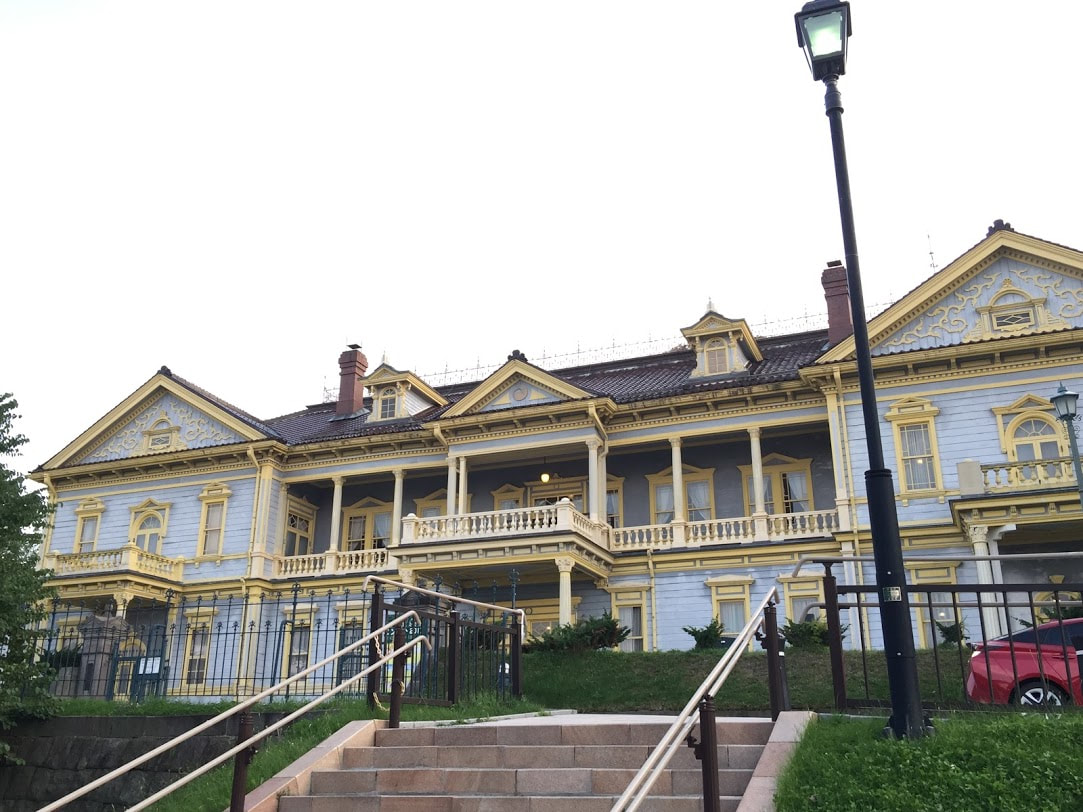 2. Mt. Hakodate night view We went to the top of the mountain by ropeway - a big mistake! The waiting line to get on the returning ropeway was so long and stressful, and they packed so many people in the car as if we were cattle. If you do not want to waste an hour standing in line, I strongly recommend you to get a cab as it will cost only 4,000 - 5,000 yen round trip and well worth it if you are travelling in a group of 3 or 4 as the ropeway fare is 1280 yen round trip (as of Aug. 2017) per person. The hotel we stayed at had a car sharing tour to go up the mountain twice a day which we failed to check. By the way, the view was great. For more info : Mt Hakodate Ropeway 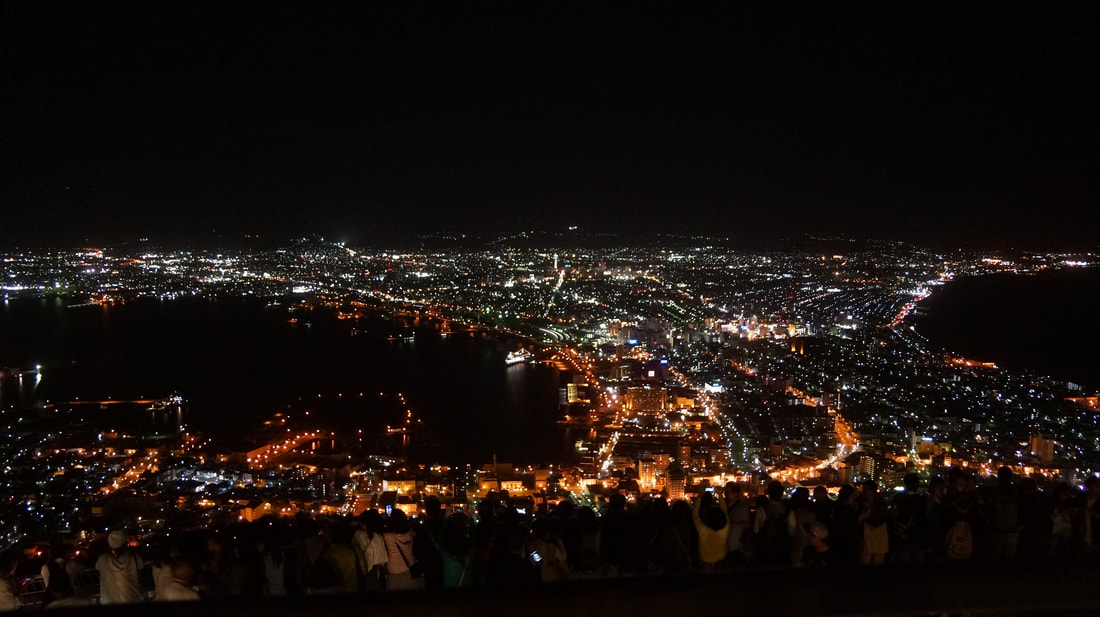 3. Goryokaku Tower An observatory that overlooks the star shaped visita that shines on the grounds of Goryokaku Fort, a historic spot. You can also catch the views of the mountains and the Tsugaru Strait. For more info :Goryokaku Official Website 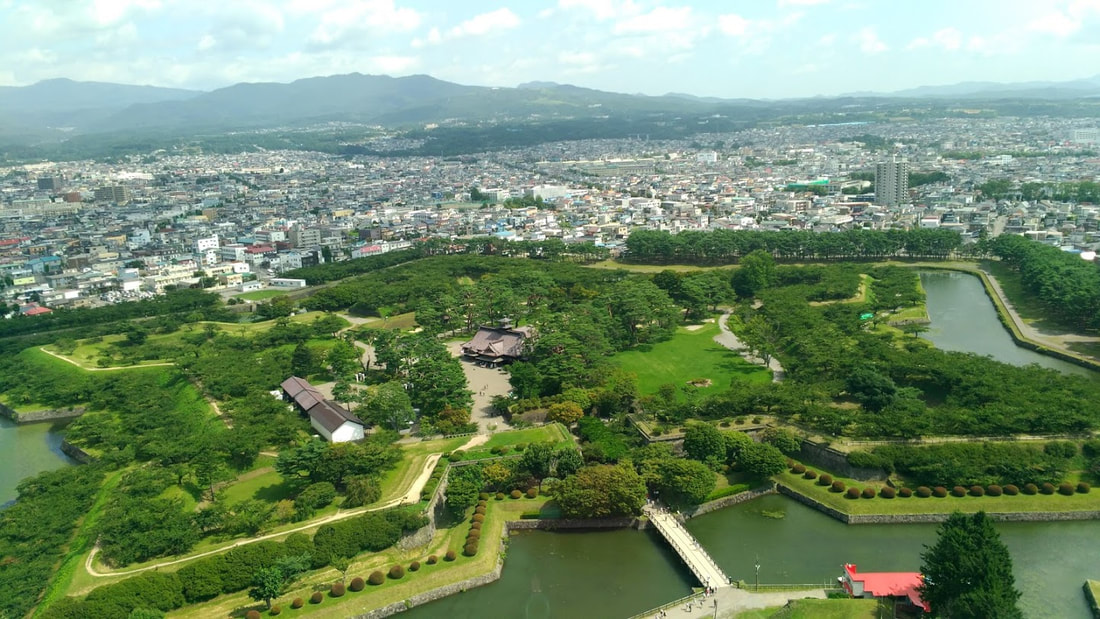 4. Trappistine Convent Japan's first convent built in the 19th century featuring a mix of Gothic and Romanesque style. It's located out of the city and it was part of a tour we went on along with the Goryokaku Tower & Fortress. For more info : Travel Hakodate 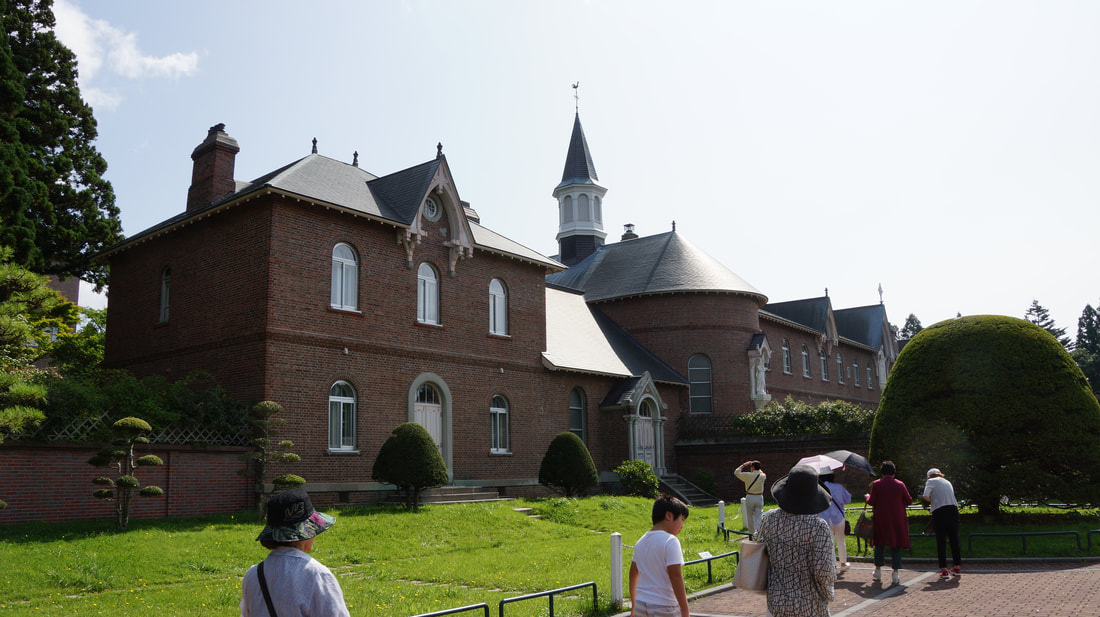 5. Kanemori Red Brick Warehouse Brick warehouses from past trading days along the waterfront in the bay area redeveloped into an atmospheric shopping, dining and entertainment complex. We went on a short 15 minute boat ride out to the bay which was really fun. (1500 yen for adults) For more info : Kanemorei Red Brick Warehouse official site 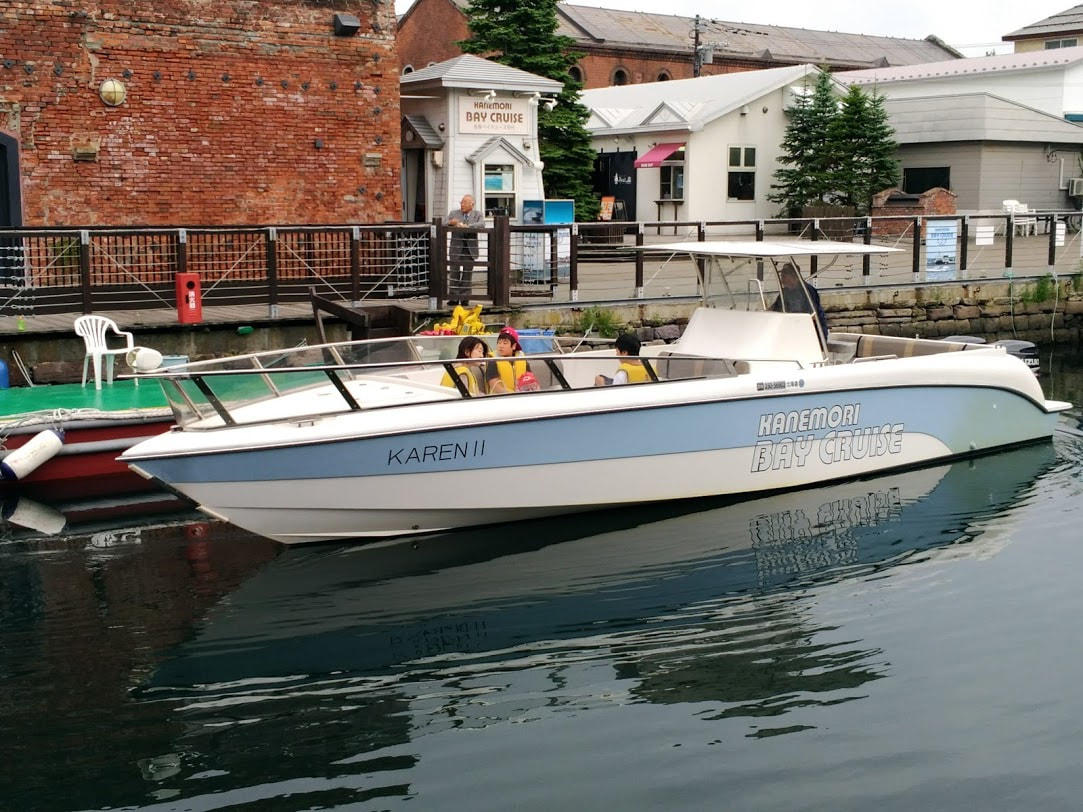 We had my friend's 17 year old daughter from Germany staying with us in July, During her stay we took her around Tokyo and on a weekend we drove out of Tokyo to see Mount Fuji. On the way we stopped at the Odawara Castle. This Castle is probably the closest Japanese Castle from Tokyo, and can easily be accessed by car and train as it is only short distance from the motorway and the train station. It's also a short distance from Hakone. It was renovated last year and inside the castle is a museum displaying the samurai armors and historical artifacts. I've only been to the castle in my husband's hometown, Himeji. The Himeji Castle is known to be the most beautiful castle in Japan, appearing in a couple of foreign films such as 007 and KILL BILL. Compared to the Himeji Castle, the castle ground are more compact and the castle tower not as elegant, but still it is impressive. Too bad there are no English subtitles in the video being played inside the museum and not much of the explanation boards are translated in other languages. For more info on Odawara Castle : Japan Guide.com Odawara City 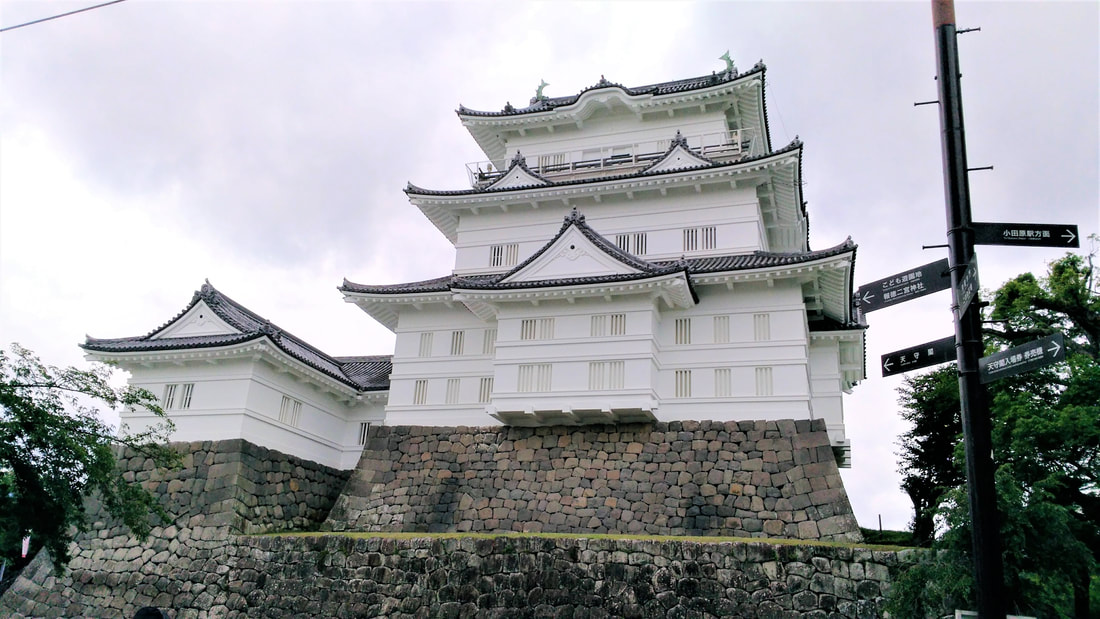 Odawara Castle Tower 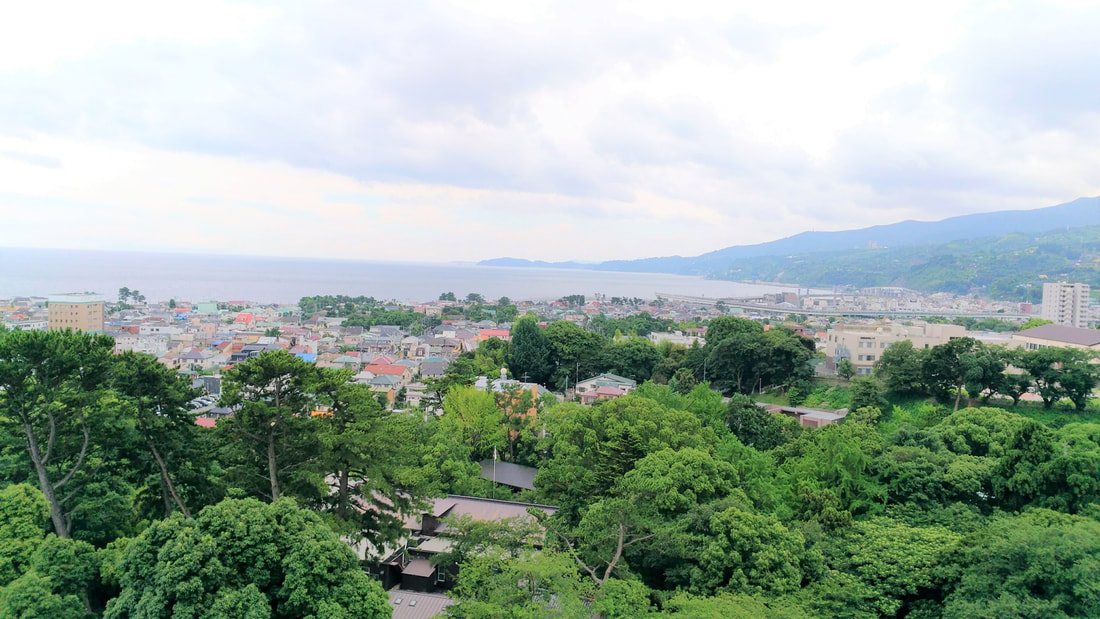 View of the Odawara City from the Castle Tower Most of the Cherry Trees in Japan are Somei-yoshino, which bloom about the same time, end of March to beginning of April in Tokyo. But if you are not in Tokyo during that period, you can still enjoy the Kawazu-zakura which has a slightly darker pink flower blooms earlier. Today, I spotted a Facebook post from my neighbor who had a photo of the Kawazu-zakura in our neighboring park. So, I set off with my 10 year-old son for my first ohanami. (I needed the exercise too) The cheery trees were in full bloom - and contrary to the somei-yoshino, the Kawazu-zakura lasts longer so you may be able to enjoy the ohanami for another week or two. The park is called Rinshi-no-mori -koen. It used be an experimental nursery, established in 1900 by the Agriculture Agency. Later it came under the management of the Forestry Agency and was called the Ringyo Shikenjo (forestry research station). It is full of trees and wildlife, you cannot believe it is in the center of Tokyo. We used to come here a lot when my two boys were much young as it has two playgrounds and a splash pool. They hunted for Kabutomushi (Japanese Beetle) and crayfishes in the summer. For more details of this park, please visit this article by Bestlivingjapan
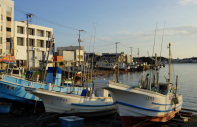
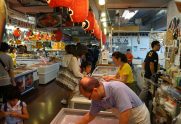
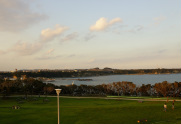
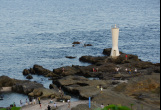
Our summer holiday began with a day trip to Nokogiri Mountain, located along the Tokyo Bay off the Boso Peninsula of Chiba, it is a perfect place to go hiking on a day trip. We went by car using the Aqua Line from Kawasaki which only takes about an hour from Meguro if there is no traffic . This place is easily accessible from Tokyo and Kanagawa using trains and ferries as it is closed to the Train Station and the Ferry Terminal. Last month, we went to Kawagoe, an old town outside of Tokyo. We went there by car, but it's only 30 minutes by train from Ikebukuro. Kawagoe prospered during the Edo-period still holds it's traditional charm and is called Ko-Edo (meaning little edo). As you stroll along the streets, you'll find the old-fashioned merchants' shops that you can no longer find in Tokyo. We only went to one part of Kawagoe, but this city seems to have many places to visit. So if you are wondering about places to go next weekend, Kawagoe may be an option. It was a pure coincidence that my students that came to my class the next day were also in Kawagoe on the day we were there! For details on on sightseeing areas, visit this useful site (Multi-Language) >>> Koedo-Kawagoe 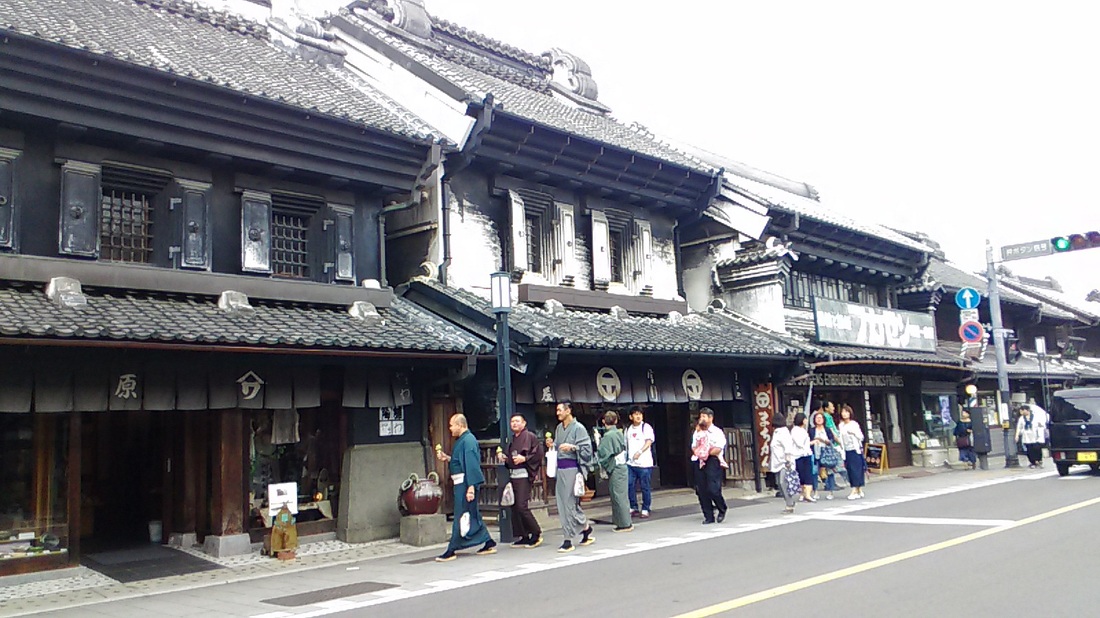 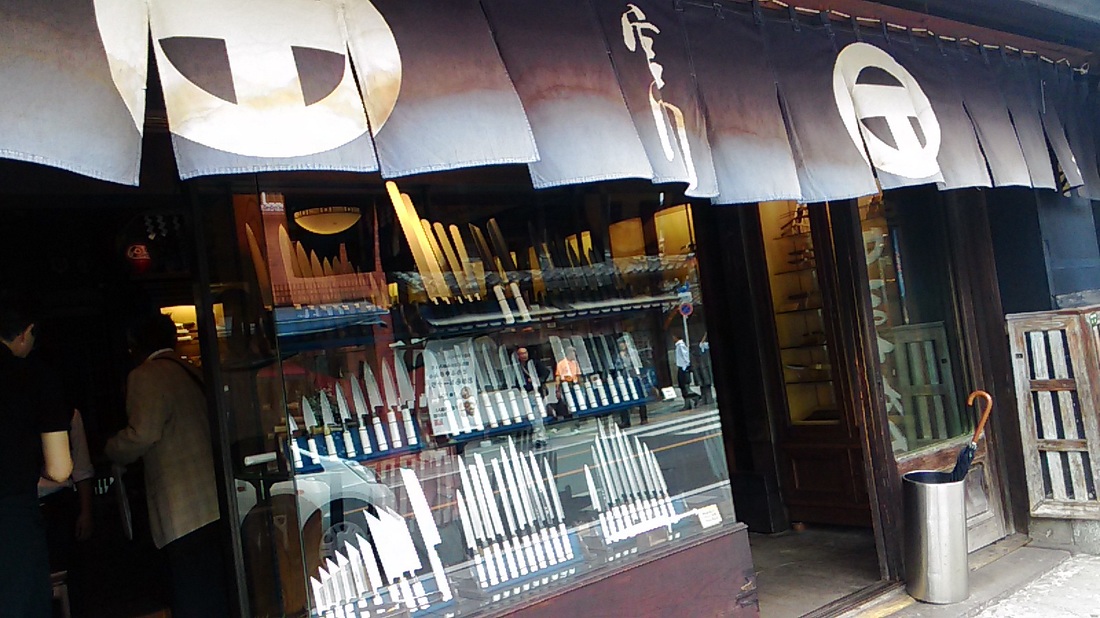 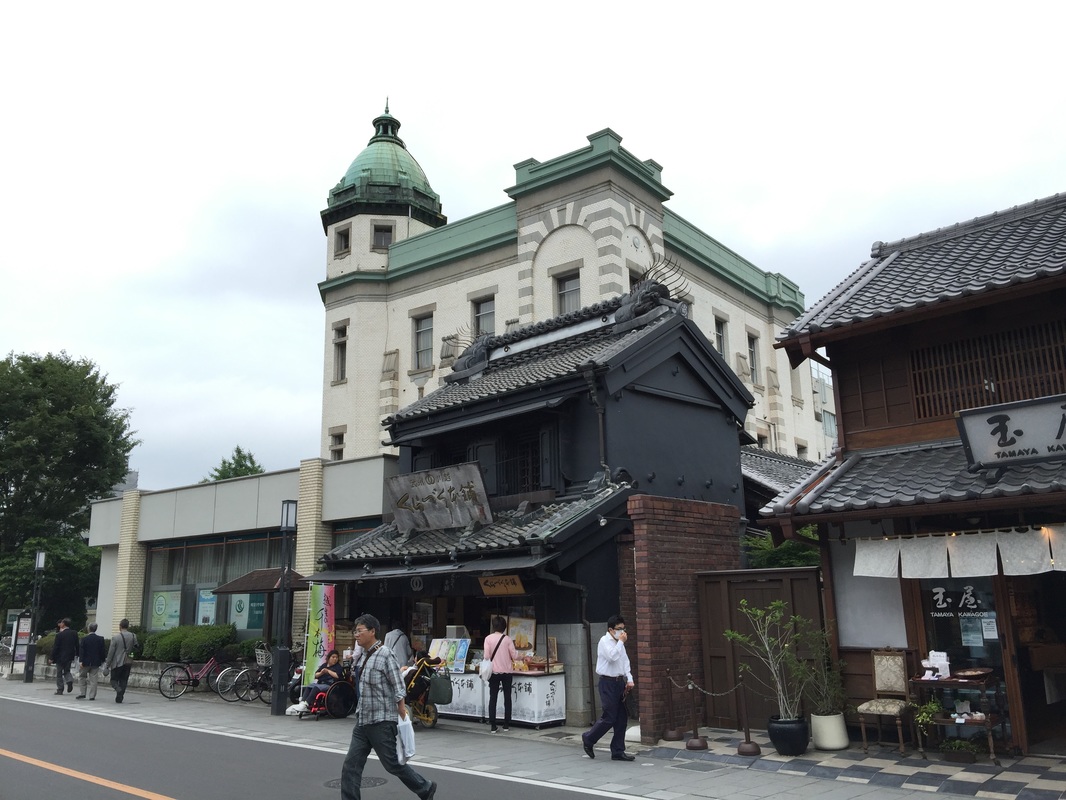 Happy New Year! Kids are back to school and I finally found some time to sit in front of my PC to update my blog. This year we went back to my husbands hometown, Himeji in the Hyogo Prefecture. Himeji City is known for the Himeji Castle - one the most beautiful castles in Japan. After 5 years of major restoration, it reopened last spring and we had been waiting for a chance to visit it. Himeji Castle is also known as the White Heron Castle (Shirasagijo) due to its elegant, white appearance. Although we have visited the castle many times, we couldn't help taking photos from every angle. It is more a fortress than a castle as it is very stragetically laid out to prevent the enemies to come into the castle. Last weekend, we went to the Todoroki Valley, less than a half hour away on the train from Meguro, the Todoroki Valley is the only valley in the 23 wards in Tokyo. Although it is located in the middle of the Setagaya-ward, a densely populated residential area, it is full of nature, great for walking as the trail is about a kilometer long. The entrance to the valley is very close to the Tododroki Station (Oimachi Line) Just around the corner from Seijo Ishii. There is a famous Tofu Shop at the corner called "Midoriya" which you will easily notice as it is Midori(Green). When you go down the valley and walk towards the left along side the creek, you will go under Kanpachi-dori and arrive a the Todoroki Fudo Temple. If you walk further on you will see Tamagawa Nogeyama Park. The valley is a perfect place to cool down during the summer, but you can also enjoy the autumn leaves turning color towards the end of the year. 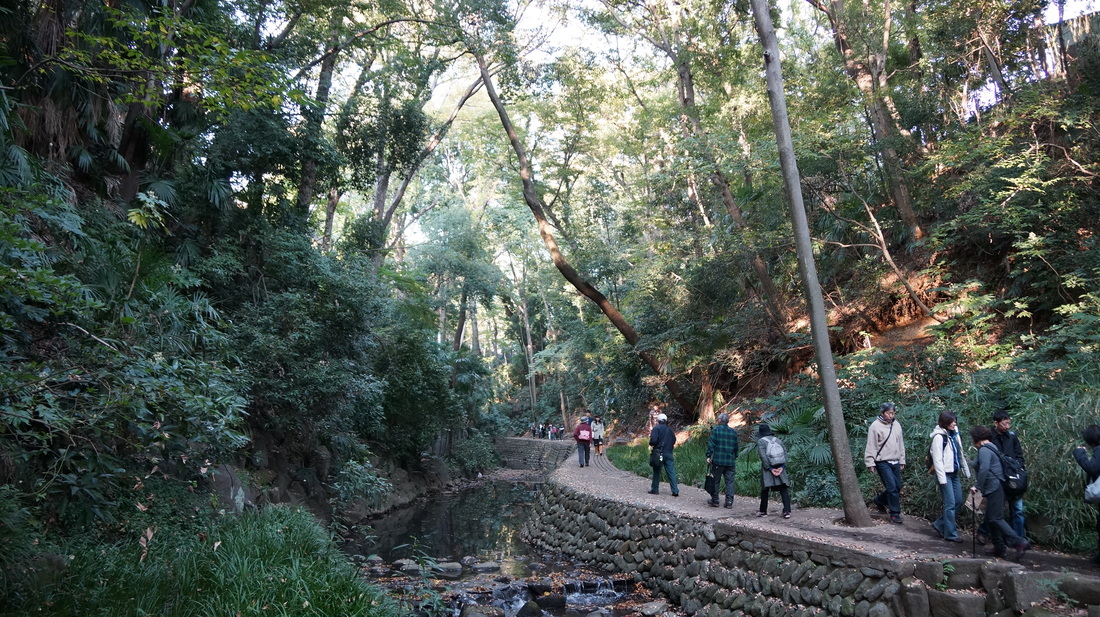 We did a day trip to Misaki-guchi, which is at the tip of the Miura Penninsula. It's famous for Tunas is a popular tourist spot as it only takes about an hour by car from Tokyo. But yesterday, the middle day of a 3 day holiday, it was crazy and it took 3 hours! We planned on having lunch there, but by the time lunch was served it was 3 o'clock! So if you are heading there on a holiday or weekend, make sure to start early and head back early, or take the train. If you are going by train, be sure to get the Misaki Maguro Kippu (The Misaki Tuna Ticket) issued by The Keikyu Line This ticket includes a round trip ticket from any station on the Keikyu Line, one day bus pass and lunch at the participating restaurants, and an admission fee to the major attractions such as the Aburatsubo Marine Park, hot springs, boat ride and cycling. It's a good deal as the return ticket from Shinagawa itself costs nearly 2000yen, but this Package is a little over 3000 yen and that is bus pass, lunch and admission fee included. Also visiting the fish market, we headed to the Jogashima Island, just off the tip of Misaki Harbor. It is a great place to have a picnic as the grass area is well maintained and you can also go down to the beach where the rocks have formed a beautiful scenery over the long years that it has been exposed to the waves. Actually I came here for my geology field trip in high school. My sons spent a long time there looking for crabs, a great place for kids. Links:
|

AuthorI'm Miyuki and I teach Japanese Home cooking at my home in Tokyo. Archives
February 2021
Categories
All
|
 RSS Feed
service |
Information |
© COPYRIGHT 2015. ALL RIGHTS RESERVED.
|